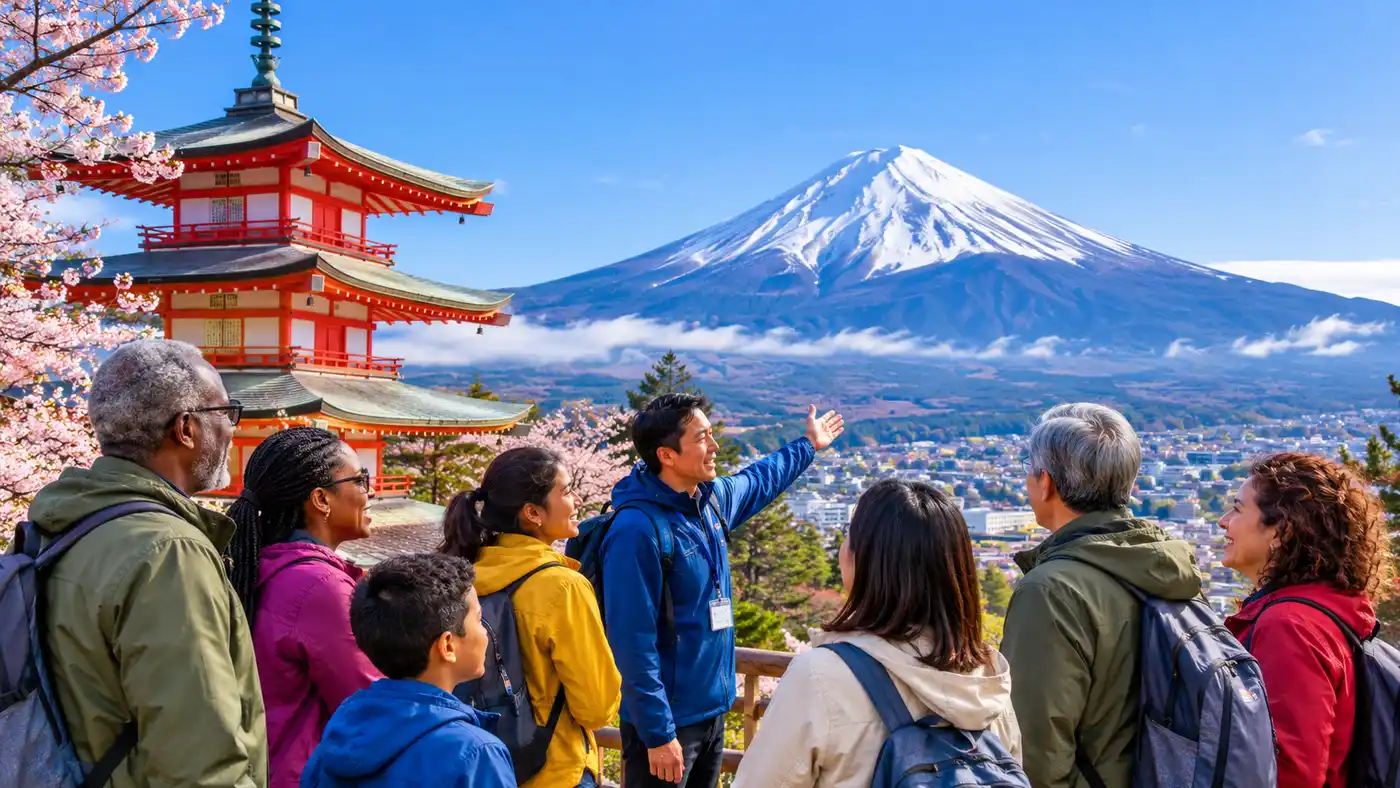
Best Mt Fuji Tours from Tokyo: Guided and Bus Trips
Standing outside Shinjuku Station at 7:15 on a freezing Tuesday morning, holding a lukewarm can of Boss coffee, you might wonder if piling onto a coach with forty strangers makes sense. For most visitors, booking a mt fuji tour from tokyo ends up being the smartest logistical decision of their entire Japan vacation. Public transit in Tokyo is spotless and predictable, but connecting local trains, regional buses, and remote rural ropeways around Yamanashi Prefecture burns hours of daylight. One missed transfer at Otsuki Station can torpedo an entire afternoon.
An organized excursion takes the friction out of the equation. You get on the coach, fall asleep as the neon skyline gives way to cedar forests, and wake up near the fifth station. But tours differ wildly. Some drag you through crowded tax-free cosmetic outlets disguised as cultural stops. Others keep a brisk pace, letting you wander medieval lake villages and photograph snow-capped ridges in peace. Picking the right trip comes down to what you want to see, how much walking you tolerate, and how comfortable you feel handing control of your day to someone else.
Book your mt fuji from tokyo experience:
Why Pick an Organized Mt Fuji Day Tour from Tokyo?
Independent travel offers freedom, yet the geographic reality around Fuji complicates simple day excursions. The mountain sits roughly 100 kilometers west of the capital. If you travel on your own, taking the highway bus from Shinjuku drops you at Kawaguchiko Station, where you must queue again for regional shuttle buses with hundreds of other tourists. On autumn weekends, those local shuttles fill to capacity, leaving stranded passengers waiting 45 minutes on the curb.
A guided tour bundles your transit, road tolls, admission fees, and route navigation into a single ticket. The driver deals with the Chuo Expressway interchange bottlenecks. Your guide watches the clock, herds the group, and calls ahead to restaurant kitchens so lunch arrives hot.
Pro tip: When booking a large coach tour, select a window seat on the right side for the morning departure from Tokyo; you will get panoramic views of the western mountain ranges as the highway climbs out of Kanto.
There is also the weather gamble. Fuji is notoriously shy, hiding behind heavy summer humidity and low cloud banks for over 200 days a year. Experienced tour guides know how to pivot. If the peak disappears behind stubborn grey fog, a skilled guide adjusts the narrative, pointing out architectural details at local shrines or swapping a viewing deck for a clear spring pond that still looks stunning in the rain.
The Classic Group Bus Tour: What You Get for Your Yen
The standard motorcoach trip remains the most popular way to see the volcano. Searching for a reliable mt fuji bus tour from tokyo brings up dozens of virtually identical itineraries run by major operators like Japan Gray Line, Hato Bus, and various international booking platforms. Most of these depart from major transportation hubs like Shinjuku's Cocoon Tower or Tokyo Station's Marunouchi entrance between 7:30 and 8:15 AM.
Expect to pay an average mt fuji bus tour from tokyo price of about ¥7,500 to ¥12,500 ($50 to $85) per adult. The lower price tier covers basic seat transportation, highway tolls, and an English-speaking guide who provides commentary on the road. The higher end includes a traditional lunch - usually a boiling bowl of flat Yamanashi hoto noodles served in an iron pot - along with cable car or boat tickets.
Most coach programs stick to a proven geographic circuit:
- Fuji Subaru Line 5th Station: Perched at 2,300 meters above sea level, this stop puts you above the cloud line on clear mornings. You smell sulfur and pine, browse small timber gift shops, and look directly up the steep scree slope of the summit cone.
- Lake Kawaguchiko: Stops usually focus on Oishi Park or the craft park along the northern shore. In spring, cherry blossoms frame the water; in late autumn, fiery kochia bushes and maples draw heavy crowds.
- Oshino Hakkai: A preserved agricultural village fed by eight crystal-clear meltwater springs. Water filters through subterranean lava layers for eighty years before bubbling into these thatched-roof ponds.
- Kitaguchi Hongu Fuji Sengen Shrine: The historic walking entrance for mountain pilgrims, lined with towering 500-year-old cryptomeria cedars and stone lanterns coated in soft green moss.
If you want value and low stress, this format delivers. It is easily the best day tour to mt fuji from tokyo for solo wanderers or first-time visitors who feel nervous navigating Japanese regional transit networks alone.
Shinkansen Combos: Mt Fuji Day Trip from Tokyo Bullet Train Options
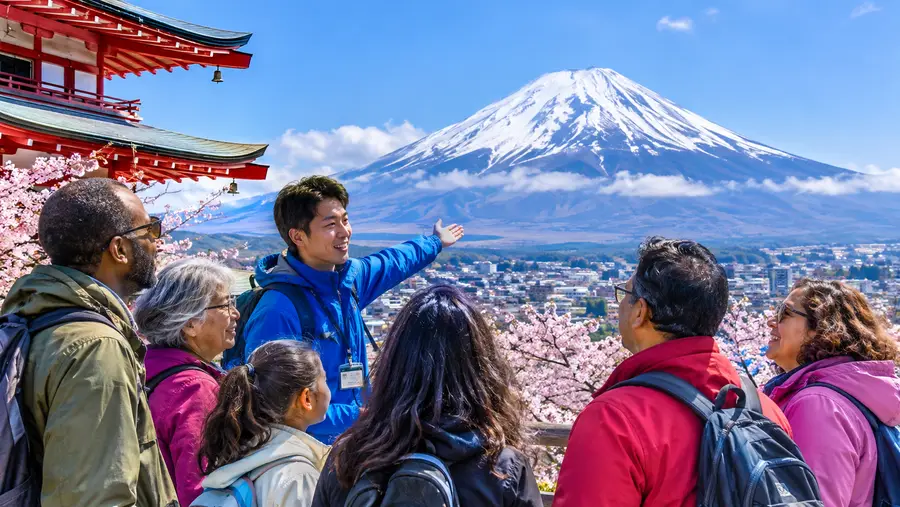
Many travelers arrive determined to ride Japan's iconic high-speed rail. Because tracks do not climb up volcanic foothills, a mt fuji day trip from tokyo bullet train itinerary operates as a hybrid transport loop. You take a motorcoach out of central Tokyo toward the mountain, explore the viewing terraces, and connect with the railway later in the day.
These journeys often combine Fuji with neighboring Kanagawa Prefecture on a full Mt Fuji and Hakone day trip. After spending the morning at the mountain's 5th Station, the bus routes south through the mountains into the Hakone caldera. You board a twin-hulled pirate boat across Lake Ashi, ride the Hakone Komagatake Ropeway above sulfur vents, and transfer to Odawara Station. There, you board a Kodama or Hikari bullet train for a smooth 35-minute sprint back into Tokyo Station.
Note: Winter snow and ice routinely close the upper switchbacks of the Subaru Line road; when this happens, operators substitute the lower Mt Fuji Heritage Center or an artisan village without issuing partial refunds.
Choosing a mt fuji tour from tokyo bullet train package costs considerably more than an ordinary bus route, running anywhere from ¥18,000 to ¥28,000 per person. You pay for the Shinkansen ticket, the mountain ropeway access, and the pirate boat fare. Honestly, if riding the Shinkansen is already part of your later travel plans to Kyoto or Osaka, you might skip this combo and save the cash. If Tokyo is your only base in Japan, though, the combination makes for an eventful, whirlwind day.
Book your mt fuji from tokyo experience:
Comparing Tour Formats: Finding the Best Mt Fuji Tour from Tokyo
Every group moves at a different speed. Pick the structure that fits your patience level and wallet.
| Tour Format | Typical Price (Per Person) | Duration | Key Transport | Best For |
|---|---|---|---|---|
| Standard Day Coach | ¥7,500 - ¥12,000 | 10 to 11 hours | Highway Coach | Budget travelers, solo tourists |
| Fuji & Hakone Combo | ¥18,500 - ¥27,000 | 11 to 12 hours | Coach + Shinkansen | Bucket-list speed runs, first-timers |
| Private Van Charter | ¥65,000 - ¥98,000 (per vehicle) | 9 to 10 hours | Toyota Alphard or HiAce | Families, photographers, small groups |
| Seasonal Farm / Flower Tour | ¥11,000 - ¥15,500 | 9 to 10 hours | Highway Coach | Relaxed pace, fruit lovers |
Private day trip from tokyo to mt fuji bookings have exploded in popularity over the last three years. A flat fee covers your private driver, fuel, highway tolls, and clean vehicle for up to nine hours. If you split ¥78,000 among five family members, the per-person math ends up surprisingly close to a mid-tier guided tour to mt fuji from tokyo.
Private Charters and Half Day Alternatives
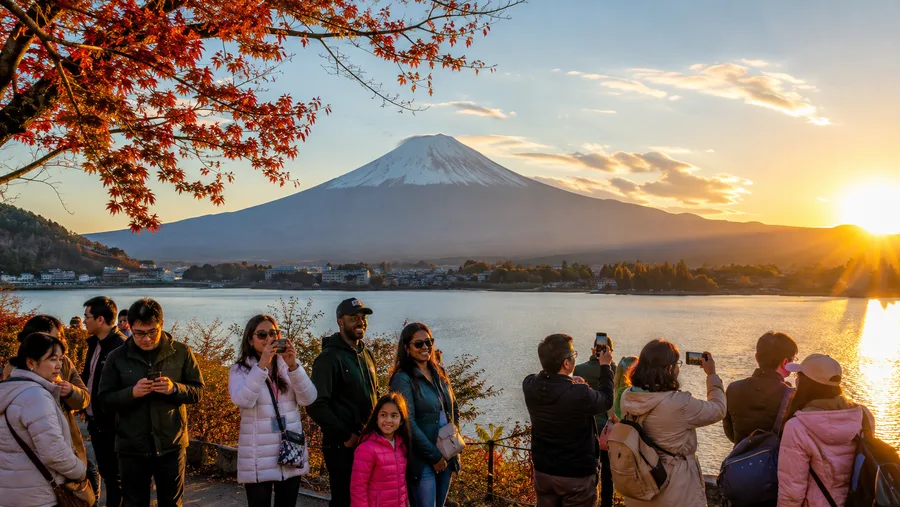
Flexibility changes everything. A private tour from tokyo to mt fuji lets you ditch crowded parking lots the moment you get annoyed. If your kids want to spend an hour feeding enormous golden carp at Lake Shinobi, you stay. If heavy tour buses arrive at Chureito Pagoda at 10:00 AM, your driver can alter course toward Lake Yamanakako for quiet shoreline shots instead.
What about shorter timelines? Travelers frequently search for a half day mt fuji tour from tokyo. The simple reality is that a genuine half-day excursion to the base of the peak does not exist. Driving there requires at least 90 minutes without traffic; on weekend mornings, highway congestion stretches that to nearly three hours each way. A six-hour block barely gives you time to reach the mountain, let alone see anything. Any company offering a so-called half-day trip is likely selling an observation deck experience inside Tokyo city limits or a rushed morning drive that abandons you at a bus depot.
When selecting a mt fuji tour package from tokyo, keep several operational realities in mind before entering your credit card details:
- Check the cancellation policy: Fuji weather changes on a whim. Look for providers offering full refunds up to 24 or 48 hours before departure so you can bail if meteorologists predict torrential downpours.
- Identify the exact pickup location: Some budget companies list "Tokyo" but force you to meet at an obscure highway ramp east of the Sumida River. Pick departures from major hubs like Shinjuku, Ginza, or Tokyo Station.
- Verify the language skill: Many ultra-budget buses hire drivers who speak only basic English phrases. If you want historical context and cultural depth, confirm that a licensed National Government Guide Interpreter accompanies the trip.
- Look at meal inclusions: Tour lunches can be bland cafeteria buffets. Choosing an itinerary without lunch lets you hunt down regional soba shops or bakeries during free time.
One final point about timing: avoid Japanese public holidays like Golden Week in early May, Obon in mid-August, and autumn three-day weekends. A normal two-hour drive on the Chuo Expressway can easily stretch into five agonizing hours of stop-and-go brake lights, turning your relaxing mountain escape into an exhausting highway vigil.
Frequently Asked Questions about mt fuji tour from tokyo
What is the average mt fuji bus tour from tokyo price?
Standard group coach tours typically run between ¥7,500 and ¥12,500 per adult. Trips that bundle hot lunches, ropeway tickets, or fruit-picking activities climb toward ¥15,000, while basic transportation-focused options stay under ¥8,500.
Is a mt fuji day trip from tokyo bullet train combo worth the extra money?
It depends on your overall travel itinerary. If you plan to ride the Shinkansen later to Kyoto or Hiroshima, paying extra for a Hakone bullet train tour is mostly redundant. If Tokyo is your only destination, the bullet train return saves roughly an hour of evening highway traffic and checks off a classic bucket-list experience.
Can I take a half day mt fuji tour from tokyo?
Not realistically. Round-trip transit between Tokyo and the Fuji Five Lakes takes at least three to four hours under perfect road conditions. Any excursion attempting to visit the mountain base requires an eight to eleven hour commitment door to door.
What happens on a tour if the weather is terrible?
Tours almost always run rain or shine unless severe typhoons or heavy blizzards shut down the expressways. If cloud cover blocks the mountain, guides substitute indoor sights like the Fuji Museum, local sake breweries, or hot spring footbaths, but refunds are rarely granted for poor visibility.
Which is the best mt fuji tour from tokyo for families?
Families traveling with young children or elderly grandparents usually get the best mileage out of a private van charter. It avoids the stress of strict coach departure times, provides plenty of luggage storage for strollers, and allows for spontaneous bathroom breaks along highway service plazas.
Quick Reference
- Classic bus tour cost: ¥7,500 - ¥12,500
- Bullet train combo cost: ¥18,500 - ¥27,000
- Average trip duration: 10 to 12 hours
- Best viewing window: November through February
- Primary pickup spots: Shinjuku, Ginza, Tokyo Station
Book your mt fuji from tokyo experience:
My Take
If you have only three or four days in Japan, do not torture yourself trying to piece together regional train timetables across Yamanashi Prefecture. Book an early-morning bus tour, pack a warm jacket even in July, and keep your expectations flexible regarding the clouds. When the mist clears and that gigantic blue cone fills the bus windshield, every single yen feels well spent.
Read more about mt fuji from tokyo.