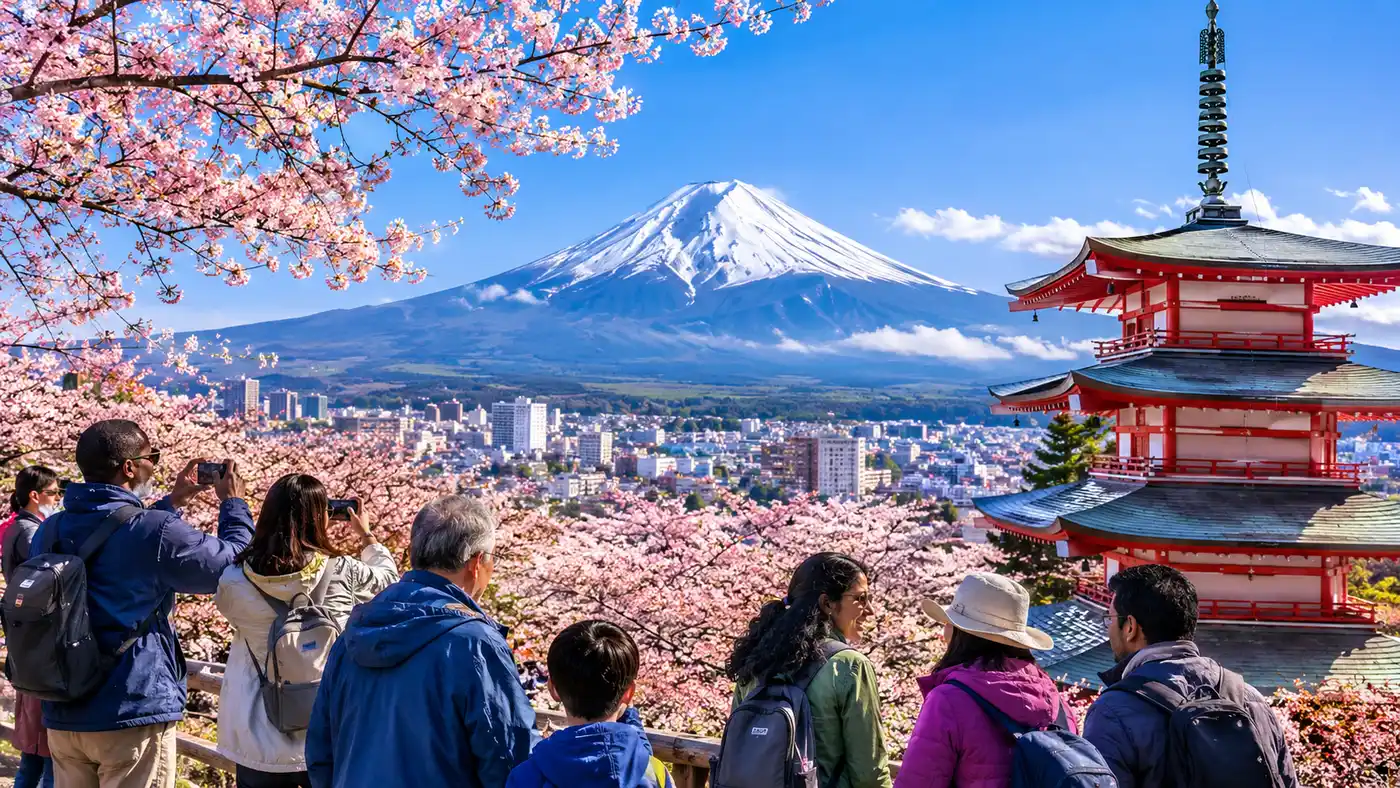
Best Places to View Mt Fuji from Tokyo
Most travelers land in Haneda or Narita expecting Japan's most famous volcano to loom over every street corner, but Tokyo is roughly 100 kilometers away from the peak, meaning you need clean air, the right elevation, and luck. If you are hunting for the best place to see mt fuji from tokyo, you quickly learn that weather dictates everything. On a hazy July afternoon, the mountain might as well not exist, yet on a crisp December morning, that white cone cuts through the western horizon so sharp it looks painted onto the sky.
I spent weeks wandering across observation decks, pedestrian bridges, and random neighborhood staircases trying to figure out where the skyline actually frames the peak best. You do not always need to shell out 3,000 yen for a luxury deck, either. Some spots cost nothing at all, while others justify their ticket price by giving you an open-air breeze instead of smudged indoor glass. Here is where to go, which direction to point your camera, and how to avoid wasting a morning staring into gray smog.
Book your mt fuji from tokyo experience:
The Free Champion: Tokyo Metropolitan Government Building
The Tokyo Metropolitan Government Building in Shinjuku, often called Tochō, remains the standard recommendation for budget travelers for good reason. It costs zero yen to enter. High-speed elevators shoot you up 45 floors to the 202-meter observation level in about 55 seconds, leaving your ears popping on the way up. The South Observation Deck is generally the better choice these days since the North Deck houses different administrative and event setups that rotate frequently.
Getting a clean view of Mt Fuji from Tokyo Metropolitan Government Building requires peering toward the southwest, past the dense tangle of Shinjuku's residential blocks. On clear days, usually between November and February, the mountain rises squarely behind the mid-rise buildings. The morning light hits the eastern flank of Fuji nicely, though by 3:00 PM you get a brilliant silhouette against an orange sky. Bring a lens cloth because the glass gets smeared with fingerprints from hundreds of tourists pressing their foreheads against the windows before lunch.
Lines form quickly at ground level around 9:30 AM. Security guards run bag checks that move at a steady clip, but waiting 25 minutes in a damp basement corridor is common if you arrive mid-morning. If you want a peaceful look at the mountain, get through the security scanner right when the doors open at 8:30 AM on a Tuesday or Wednesday.
Pro tip: Head to the South Deck cafe, order a cheap canned green tea, and grab a table facing southwest around 4:15 PM in winter to watch the sun sink right beside the peak.
Towers in the Sky: Tokyo Skytree and Tokyo Tower
Tokyo Skytree is ridiculous in its scale. Standing 634 meters tall out in Sumida, it dominates eastern Tokyo and gives you an unobstructed panoramic vantage over the entire Kanto Plain. Can you see Mt Fuji from Tokyo Skytree? Yes, absolutely, but because Skytree sits on the east side of the metropolis, Fuji is roughly 106 kilometers away. That extra distance means any atmospheric haze between downtown and Yamanashi will swallow the mountain whole. When the air is crisp, the Tembo Galleria at 450 meters makes the peak look surprisingly massive behind the Shinjuku skyline.
Tokyo Tower offers an entirely different mood. It sits closer to the peak than Skytree, nestled down in Minato. The main deck at 150 meters is decent, but the Top Deck at 250 meters gives you the clearance you need over the surrounding office towers of Toranomon and Roppongi. Mt Fuji from Tokyo Tower appears directly behind the bustling urban core, creating that classic contrast between bright red steel scaffolding and ancient volcanic rock.
Comparing the two major towers comes down to price, distance, and what kind of foreground you prefer in your photos. Here is how the city's primary paid observation decks stack up against each other:
| Observation Spot | Elevation | Standard Adult Ticket | Distance to Fuji | Open-Air Deck? |
|---|---|---|---|---|
| Tokyo Skytree (Tembo Deck) | 350m | ¥2,100 | ~106 km | No |
| Tokyo Tower (Top Deck) | 250m | ¥3,000 | ~97 km | No |
| Shibuya Sky | 229m | ¥2,200 | ~91 km | Yes |
| Roppongi Hills (Tokyo City View) | 250m | ¥2,000 | ~94 km | No (Sky Deck closed) |
| Tochō (Shinjuku) | 202m | Free | ~93 km | No |
If you have to choose between them strictly for the mountain, Tokyo Tower puts you about 9 kilometers closer, which genuinely matters on days with marginal air quality. Skytree, however, gives you an expansive 360-degree sweep of the entire Kanto region that Tokyo Tower cannot quite match.
The Best View: Shibuya Sky and Roppongi Hills
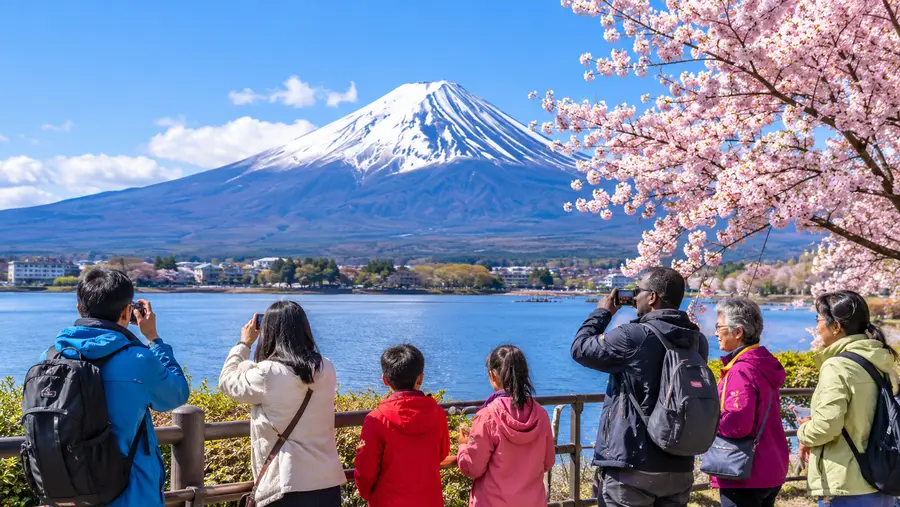
If you ask me where to find the absolute best view of Mt Fuji from Tokyo, I will point you to Shibuya Sky. It sits atop the Shibuya Scramble Square tower, rising 229 meters above the famous pedestrian crossing. What sets it apart from almost every other commercial deck in the city is the open-air rooftop. There are no thick, glare-heavy panes of glass reflecting interior gift shop lights into your camera lens. You feel the cold wind on your face, hear the dull roar of street traffic below, and look out toward the west completely unimpeded.
Tickets sell out days in advance, sometimes weeks ahead during peak autumn and cherry blossom weeks. You have to book a specific 20-minute entry window online. If you want the mountain, book an entry slot around 60 minutes before sunset. Fuji appears slightly to the right of the southwest axis, framed cleanly above the low sprawl of Setagaya and Meguro wards. Lockers are mandatory for all loose items, including hats, scarves, and tripods, so you can only carry your phone or a camera with a secure neck strap onto the roof.
Roppongi Hills Mori Tower remains another heavyweight contender. Located in the Tokyo City View gallery on the 52nd floor, the floor-to-ceiling glass looks out over Shinjuku and western Tokyo. The famous rooftop Sky Deck used to be open to visitors for a small surcharge, but management closed public access indefinitely in early 2024. Even from behind the indoor glass, the perspective is wide and dramatic, especially when dusk turns the skyline into a sea of neon while the mountain's snowy triangle lingers in deep indigo silhouette.
Note: Shibuya Sky strictly enforces their rooftop weather policy. If winds exceed safe thresholds or rain starts falling, staff will close the open roof immediately, routing everyone down into the indoor corridor where sightlines are significantly narrower.
Book your mt fuji from tokyo experience:
Understanding Visibility: When Can You See Mt Fuji from Tokyo?
Can Mt Fuji be seen from Tokyo year-round? The short answer is yes, but the realistic answer is rarely in the summer. Tokyo's humidity between June and August creates a dense atmospheric blanket called moya that hides the volcano for weeks at a time. You can stand at the highest observation point in the city on a sweltering July afternoon and see nothing beyond 15 kilometers.
Winter flips the script entirely. Cold continental winds blowing down from Siberia push dry, clean air across central Honshu, stripping away water vapor and pollution. December and January give you the highest probability of spotting the mountain from city limits, with clear visibility recorded on more than 20 days per month. Understanding how far Mt Fuji is from Tokyo puts this atmospheric challenge into perspective, since looking across 90 kilometers of dense urban heating naturally introduces mirage and smog.
Planning your viewing attempt requires watching a few specific weather factors:
- Look for high pressure systems: Clear winter mornings immediately following a cold rain shower or snowstorm offer the sharpest mountain views of the entire year.
- Time your visit before 10:00 AM: Urban thermal currents rise as the city heats up, creating heat haze and low cloud banks around the foothills by early afternoon.
- Target the sunset window: Around 4:30 PM to 5:15 PM in winter, the sun sets directly behind or slightly beside the peak, producing the famous "Diamond Fuji" effect on select calendar dates.
- Check regional webcams first: Search online for the live Shizuoka or Yamanashi prefecture Mt Fuji webcams before buying an observation ticket to confirm the peak is not socked in by clouds.
Which direction is Mt Fuji from Tokyo? It sits almost directly west-southwest. If you stand in Shibuya or Shinjuku and look toward Kanagawa and Yamanashi prefectures, you are pointing your eyes along the right trajectory.
Ground-Level and Seaside Vantage Points
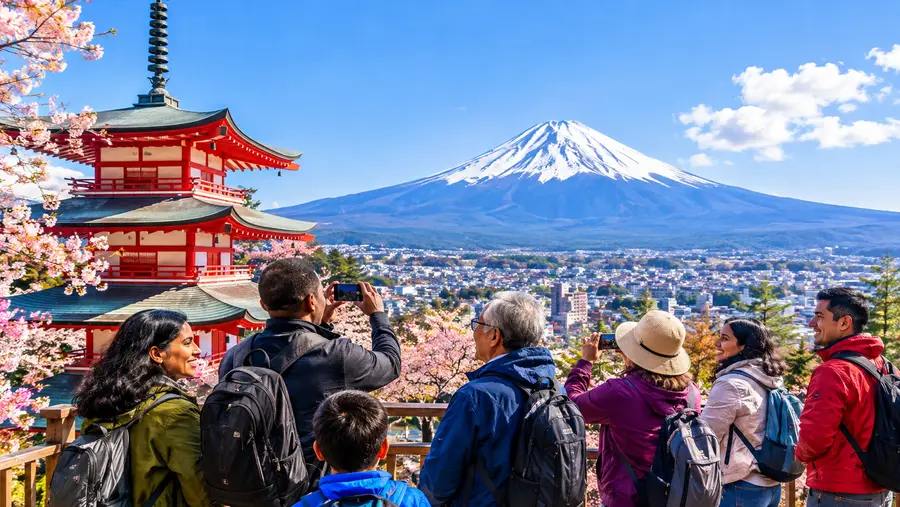
You do not need to climb an elevator shaft to find great places to see Mt Fuji from Tokyo. Seaside parks along Tokyo Bay offer low, unobstructed sightlines because there are no skyscrapers built out over the water to block your view. Kasai Rinkai Park in Edogawa ward is one of my personal favorites. Walk past the giant Ferris wheel toward the artificial beach, and on a frosty January morning, Fuji sits right above the bay water, framed by distant industrial cranes.
Wakasu Seaside Park, tucked away out in Koto ward, offers another unusual angle. Photographers gather along the rocky breakwater near the Tokyo Gate Bridge. In February and October, the sun sets directly behind the crater rim when viewed from this specific patch of shoreline, casting the massive bridge truss into sharp relief against the volcano. You will need to take a local bus from Shin-Kiba Station to reach it, but the lack of crowds makes the detour worth the effort.
Can you see Mt Fuji from Tokyo Disney? Surprisingly, yes. If you stand along the elevated walkways in Tokyo DisneySea near the American Waterfront or ride the Big Sky-facing roller coasters, clear winter days regularly showcase the snow-capped peak rising behind Mount Prometheus. It creates an almost surreal double-volcano sightline that catches theme park visitors completely off guard.
Here are three reliable ground-level vantage points that require zero entrance fees:
- Fujimi-zaka in Nippori: Once the most famous "Fuji-viewing slope" in historic Edo, though modern apartment construction has unfortunately obscured much of the classic street-level angle.
- Rainbow Bridge pedestrian walkway: Walking the South Route path from Shibaura to Odaiba puts the mountain over the bay water right ahead of you during early morning hours.
- Tamagawa River banks: The wide gravel banks near Futako-Tamagawa station in Setagaya give you sweeping western views across Kanagawa toward the peak.
If you want to get closer without spending hours on local transit, hopping on a bullet train out of Shinagawa or Tokyo Station heading west gives you roughly ten minutes of spectacular mountain scenery from your window. You can read my full guide on how to see Mt Fuji from the Shinkansen to make sure you book a seat on the correct side of the train.
Frequently Asked Questions about best place to see mt fuji from tokyo
Can you see Mt Fuji from anywhere in Tokyo for free?
Yes. The South Observation Deck of the Tokyo Metropolitan Government Building in Shinjuku is completely free and sits 202 meters above ground. You can also see the peak from public areas like the Rainbow Bridge pedestrian walkway, Kasai Rinkai Park, and various pedestrian overpasses across western Tokyo on clear winter mornings.
What is the easiest way to see Mt Fuji from Tokyo?
The easiest option is visiting Shibuya Sky or the Tokyo Metropolitan Government Building on a clear morning between December and February. Both locations sit directly on major subway and train loops, requiring very little transit navigation once you are in central Tokyo.
What time of day is best for seeing Mt Fuji from Tokyo?
Early morning between 7:00 AM and 9:30 AM offers the highest visibility because the city has not generated significant thermal heat haze yet. The second best time is roughly 30 minutes before sunset during winter, when the mountain appears in sharp silhouette against the western sky.
Quick Reference
- Peak visibility months: December through February
- Best free view: Tochō South Deck (Shinjuku)
- Best open-air view: Shibuya Sky rooftop
- Viewing compass direction: West-Southwest
- Optimal time of day: 7:30 AM to 9:30 AM
Book your mt fuji from tokyo experience:
Before You Head Up
Do not waste half your travel budget chasing observation deck tickets if the horizon looks milky or overcast. Tokyo weather changes fast, and checking a five-minute live webcam stream of Lake Kawaguchi or Shizuoka before leaving your hotel will save you time, train fare, and disappointment. When the forecast shows high barometric pressure and freezing morning temperatures, set an early alarm, grab a hot canned coffee from the nearest corner vending machine, and get up high before the rest of the city wakes up.
Read more about mt fuji from tokyo.