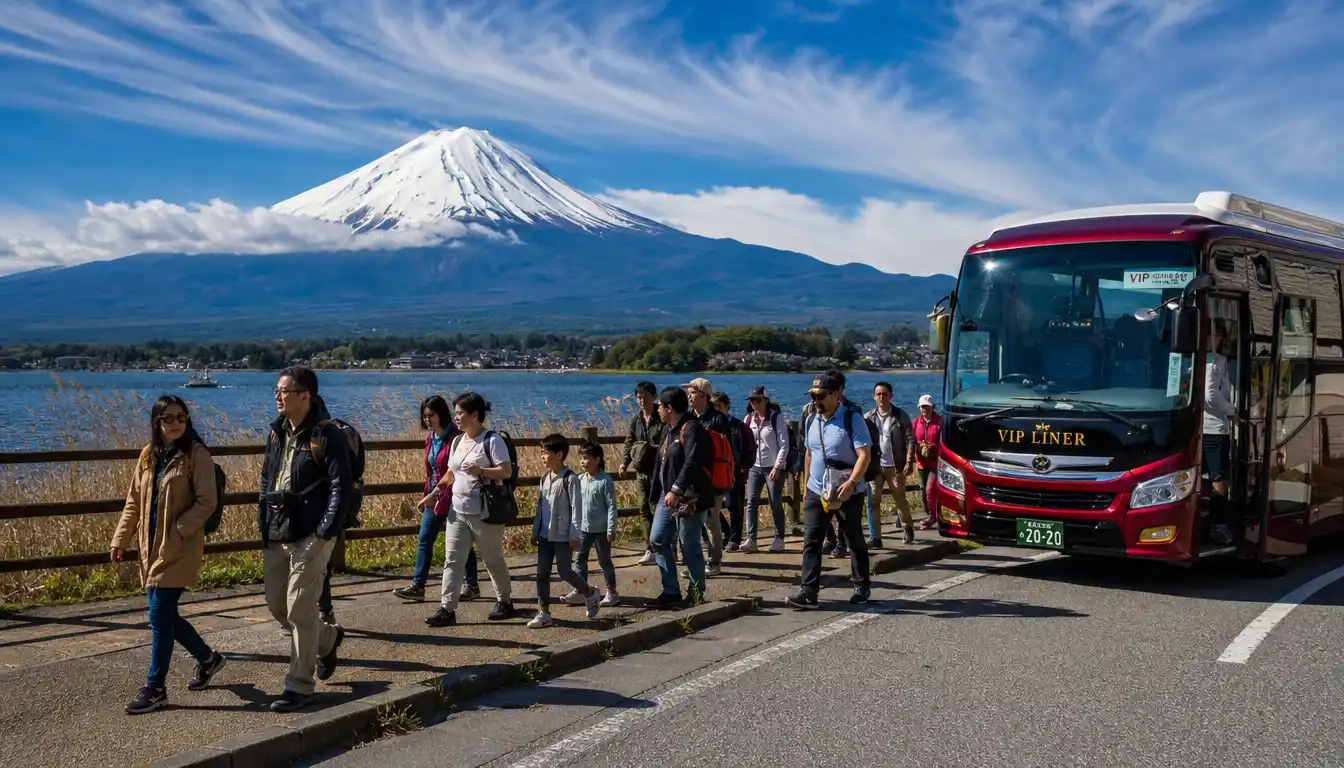
Taking the Bus from Tokyo to Mt Fuji
Most travelers obsess over train schedules when planning their first excursion outside the capital. They look at bullet train maps, study transfer hubs, and wonder if their rail pass covers the private lines out in Yamanashi Prefecture. I did the exact same thing years ago, but after making the journey half a dozen times in different seasons, I almost always tell friends to look at the highway buses instead. Booking a bus from tokyo to mt fuji is straightforward, costs a fraction of the railway fare, and delivers you right to the lakeshore without hauling bags across three platform transfers.
There is a catch, of course. Japanese trains run with mechanical perfection, while highway buses share asphalt with delivery trucks, weekend campers, and Tokyoites escaping to the mountains. When the expressway flows, it feels like a private door-to-door shuttle. When a holiday weekend clogs the lanes through Kanagawa, an easy morning drive stretches into lunchtime. Learning how to get to mt fuji from tokyo by bus means understanding which terminal fits your hotel location, when to reserve your seats, and how to outsmart the afternoon traffic on your way home.
Book your mt fuji from tokyo experience:
Why Choose an Express Bus from Tokyo to Mt Fuji?
Price is the obvious argument. A standard one-way bus ticket to Kawaguchiko costs between 2,060 and 2,400 yen, depending on where you board in the city. Compare that to the JR Fuji Excursion train, which runs over 4,100 yen for a reserved seat, or local train combinations that save a few coins but force you to switch platforms at Otsuki. If you are traveling as a couple or family, those fare differences add up quickly enough to pay for a hearty lunch of local Hoto noodles.
Convenience matters just as much as the yen in your wallet. The direct trains leaving Tokyo are limited to a handful of daily departures, mostly clustered in early morning slots. Miss that 7:30 or 8:30 window, and your railway journey suddenly requires navigating suburban commuter trains with your luggage wedged between your knees. Buses, on the other hand, pull out from central Tokyo stations every 15 to 30 minutes from daybreak until midday.
Comfort levels surprise most first-time riders. These are not city transit buses with hard plastic benches. A typical highway bus from tokyo to mt fuji features deep reclining seats, footrests, overhead racks for daypacks, and large undercarriage luggage bays where the driver stows your heavier suitcases. Many vehicles carry onboard restrooms in the rear, and nearly all modern fleets offer free Wi-Fi and individual USB or AC charging ports at every seat.
If you prefer railways on principle, you can certainly read our guide on taking the train from Tokyo to Mt Fuji to see how the tracks compare. For pure simplicity, though, loading your bags underneath a coach and waking up at the foot of a volcano is hard to beat.
- Direct routing: Board in central Tokyo and step off directly at Kawaguchiko or Fuji-Q without changing platforms.
- Affordable fares: Usually half the cost of direct express train options.
- Frequent departures: Coaches run every 20 to 30 minutes during morning peak hours.
- Luggage storage: Large bags travel safely underneath in dedicated cargo bays.
Where to Catch the Bus from Tokyo to Mt Fuji
Tokyo is massive, so picking the right departure terminal depends entirely on where you sleep the night before. Dragging yourself across town at 6:30 in the morning ruins the mood before your trip even begins. Fortunately, bus operators run regular services from three primary transit hubs: Shinjuku, Tokyo Station, and Shibuya.
Busta Shinjuku is the undisputed capital of long-distance bus travel in Japan. Located directly above the JR Shinjuku Station tracks on the fourth floor, this mega-terminal handles dozens of departures every hour. It feels like an airport terminal with clear electronic departure boards in English, automatic ticket machines, clean restrooms, and convenience stores selling hot canned coffee and rice balls. If your hotel sits anywhere on the western side of Tokyo - Shinjuku, Shibuya, Ikebukuro, or along the Chuo Line - this is your best launchpad.
Taking a bus from tokyo station to mt fuji makes far more sense if you are staying in Ginza, Nihombashi, Ueno, or near Tokyo Bay. Buses operated by JR Bus Kanto and Fujikyu leave from the Yaesu South Exit bus terminal at street level. Finding your boarding gate is easier here than navigating Shinjuku, because the bays line up along the outside curb just steps from the train station ticket gates. You can grab a bento box inside Tokyo Station, walk through the glass doors, and climb straight aboard.
Shibuya offers a smaller third option, with buses leaving from the Shibuya Mark City complex connected to Shibuya Station. These services run less frequently than Shinjuku coaches, but they provide a peaceful alternative if you want to avoid the labyrinthine corridors of the city's larger stations.
| Departure Hub | Main Terminal Area | Average Fare (One-Way) | Typical Travel Time | Departure Frequency |
|---|---|---|---|---|
| Shinjuku | Busta Shinjuku (4th Floor) | 2,200 yen | 105 minutes | Every 15-20 minutes |
| Tokyo Station | Yaesu South Exit (Street bays) | 2,060 yen | 120 minutes | Every 30-40 minutes |
| Shibuya | Shibuya Mark City (5th Floor) | 2,100 yen | 120 minutes | Roughly hourly |
Note: Travel times in bus schedules assume completely open roads. On sunny Saturdays or national holiday mornings, highway jams can easily add 45 to 90 minutes to these baseline estimates.
How to Book a Bus Ticket from Tokyo to Mt Fuji
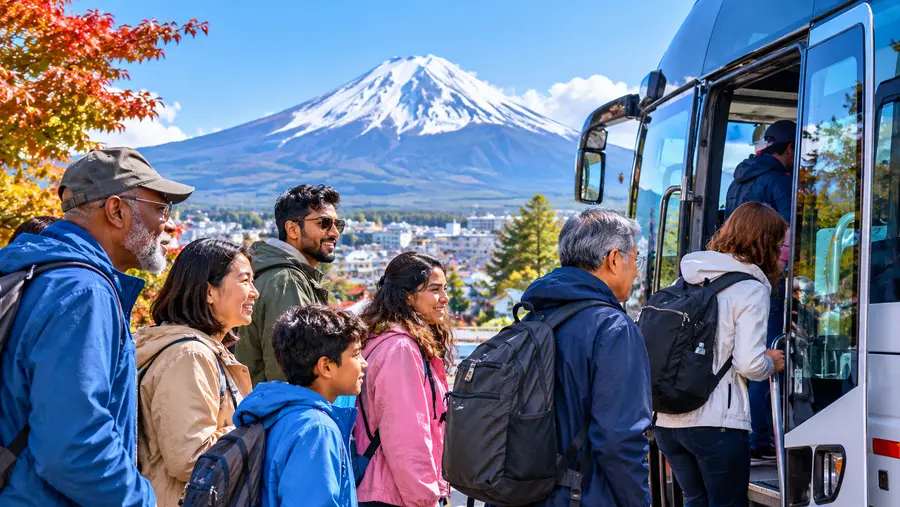
Securing a bus ticket from tokyo to mt fuji can be done months ahead of time online or five minutes before departure at a ticket kiosk. Do not gamble on empty seats during high season. Between cherry blossom blooms in April, summer climbing season, and autumn foliage in November, seats on popular morning runs sell out days or weeks before departure.
For trips leaving from Shinjuku, the official reservation platform is Highway-Buses.jp, operated by Keio. The English interface is clean and does not require complex account registrations. You select your origin, pick Kawaguchiko Station or Fuji-Q as your arrival point, choose your seats from an interactive cabin map, and pay with an international credit card. The system emails you an electronic QR ticket that you display on your phone when boarding. Tokyo Station departures are managed through the Japan Bus Online or Sekitori portals, which function similarly.
Reservations typically open exactly one month before travel date at 10:00 AM Japan Standard Time. If you know you want an 8:15 AM departure on a clear Saturday morning, set a calendar reminder for that one-month mark. The sweet spot for mountain day trips is boarding between 7:00 AM and 8:45 AM, and those specific departures disappear fast.
You can purchase tickets on the day of travel at terminal counters if you prefer spontaneity. Automated machines at Busta Shinjuku and Tokyo Station feature full English language menus. If the weather looks rainy, skipping the mountain entirely is easy when you have not locked in non-refundable reservations. If the morning sky is clear blue, just arrive early and accept that you might have to take a coach an hour later than planned.
Pro tip: When selecting your seat on the Shinjuku line, pick the left side of the bus (seats marked A). As you leave the highway and descend into the Fuji Five Lakes basin, the mountain looms directly out your window.
Book your mt fuji from tokyo experience:
What the Bus Ride from Tokyo to Mt Fuji Is Really Like
Boarding is calm and orderly. At Busta Shinjuku, your boarding gate shows up on digital monitors about 15 minutes before departure. Drivers stand beside the luggage bay to check tickets and tag suitcases. Each passenger is usually allowed one large bag in the cargo hold, though small carry-ons can ride with you in the cabin. The driver shuts the cargo door, climbs into the cab, bows, and backs out of the bay right on the scheduled second.
The first 20 minutes take you through Tokyo's elevated highway system. Watching the cityscape slip away while cruising above neighborhood rooftops is oddly peaceful. Soon the highway passes through suburban Tokyo into the green, ridged mountains of western Kanagawa and Yamanashi prefectures along the Chuo Expressway. You will cross deep valleys over concrete viaducts, pierce through mountain ridges via long tunnels, and catch glimpses of winding rivers below.
An express bus from tokyo to mt fuji serves several popular stops in the lake district. Understanding where you want to step off prevents awkward scrambles when the driver announces stations in Japanese and English:
- Fuji-Q Highland: The amusement park stop. Half the bus empties here for the roller coasters.
- Mt Fuji Station (Fujisan Station): Useful for traditional climbers or travelers staying in historic Fujiyoshida town.
- Kawaguchiko Station: The primary transport terminal for Lake Kawaguchi, sightseeing boats, ropeways, and local retro buses.
- Fuji Subaru Line 5th Station: A seasonal direct run operating mostly from spring through autumn for climbers. If you plan to hike to the summit, look into visiting the 5th station directly from Shinjuku.
- Lake Yamanakako: A secondary route serving the quieter, larger lake further east.
Kawaguchiko Station is where the vast majority of day-trippers disembark. The wooden alpine-style station sits right at the base of the peak, framing an instant view of Mount Fuji towering over the tracks behind it. From there, coin lockers, rental car shops, electric bicycle rentals, and connecting buses around the lake are steps away.
Heading Back: Traffic Tips and the Last Bus from Mt Fuji to Tokyo
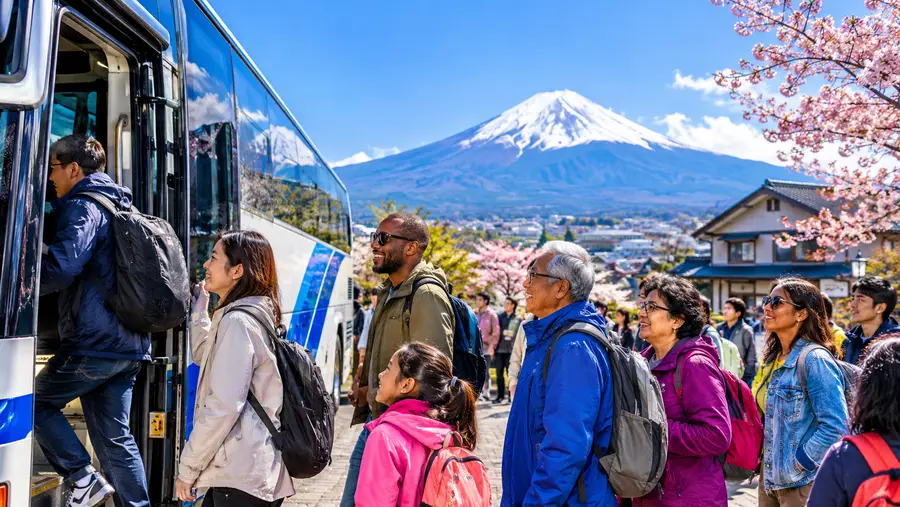
Returning to Tokyo requires a bit more strategic thinking than leaving it. A typical bus trip to mt fuji from tokyo in the early morning faces light outward traffic. The afternoon return, however, puts you in direct competition with thousands of city dwellers heading back after weekend getaways in the mountains.
The notorious bottleneck occurs on the Chuo Expressway near the Kobotoke Tunnel. On Sunday afternoons between 3:00 PM and 8:00 PM, cars stack up for miles. A bus ride scheduled for two hours can easily balloon into three and a half hours. The drivers navigate these delays with infinite patience, but sitting in slow-moving traffic when you have dinner reservations in Shinjuku is deeply frustrating. If you travel on a weekend, aim for an afternoon departure before 2:30 PM, or linger around the lake for dinner and catch an evening bus after 8:00 PM when the expressway clears.
Watch your evening schedule closely. The last bus from mt fuji to tokyo typically departs Kawaguchiko Station around 20:15 or 20:30, depending on the season and specific day of the week. Miss that final highway coach, and your only safety net is catching a local Fujikyu railway train back to Otsuki Station and transferring to an incoming JR Chuo Line train before midnight.
- Book your return early: Afternoon and evening buses back to Tokyo sell out faster than morning departures.
- Avoid Sunday late afternoons: Depart Kawaguchiko before 2:30 PM or after 8:00 PM to dodge the Kobotoke Tunnel gridlock.
- Keep train alternatives in mind: If expressways report major accidents, trade your bus ticket for a railway seat at Kawaguchiko Station.
- Check departure platforms carefully: Return buses leave from numbered bays directly outside the front doors of Kawaguchiko Station.
Frequently Asked Questions about bus from tokyo to mt fuji
Can I use my Japan Rail Pass on the bus to Mt Fuji?
No. Standard JR Passes do not cover the highway buses operating between Tokyo and the Fuji Five Lakes. Even buses run by JR Bus Kanto on this route are excluded from the nationwide rail pass, meaning you must buy a regular ticket.
Do these highway buses have toilets on board?
Most long-distance coaches operating between Shinjuku or Tokyo Station and Kawaguchiko have a small restroom in the back. If you board an older replacement bus that lacks one, drivers will occasionally make a brief service area stop if traffic causes serious delays.
What happens if I miss my reserved bus departure?
Unused tickets expire once the coach leaves the bay. If you miss your bus, you must visit the ticket counter to purchase a brand-new fare for the next available departure with open seats. Arrive at least 15 minutes before boarding.
Can I store a large suitcase on the bus?
Yes. Drivers load large suitcases into the cargo hold beneath the passenger cabin at no extra charge. The general rule allows one large bag per ticket holder, while smaller backpacks and shopping totes come onboard with you.
Quick Reference
- One-way fare: 2,060 to 2,400 yen
- Travel time: 105 to 120 minutes (clear roads)
- Main hubs: Busta Shinjuku, Tokyo Station Yaesu Exit
- Booking window: 1 month prior to travel date
- Destination: Kawaguchiko Station (Lake Kawaguchi)
Book your mt fuji from tokyo experience:
My Take
I still love Japanese trains, but for a simple day trip out to the lakes, the highway bus wins almost every time. It saves you from worrying about confusing train transfers, costs about half what you would spend on rail tickets, and lets you rest your feet while watching the suburban sprawl give way to pine forests. Just keep an eye on weekend traffic patterns, book your seat a couple of weeks ahead if you are traveling during peak seasons, and give yourself plenty of breathing room on the ride home.
Read more about mt fuji from tokyo.